
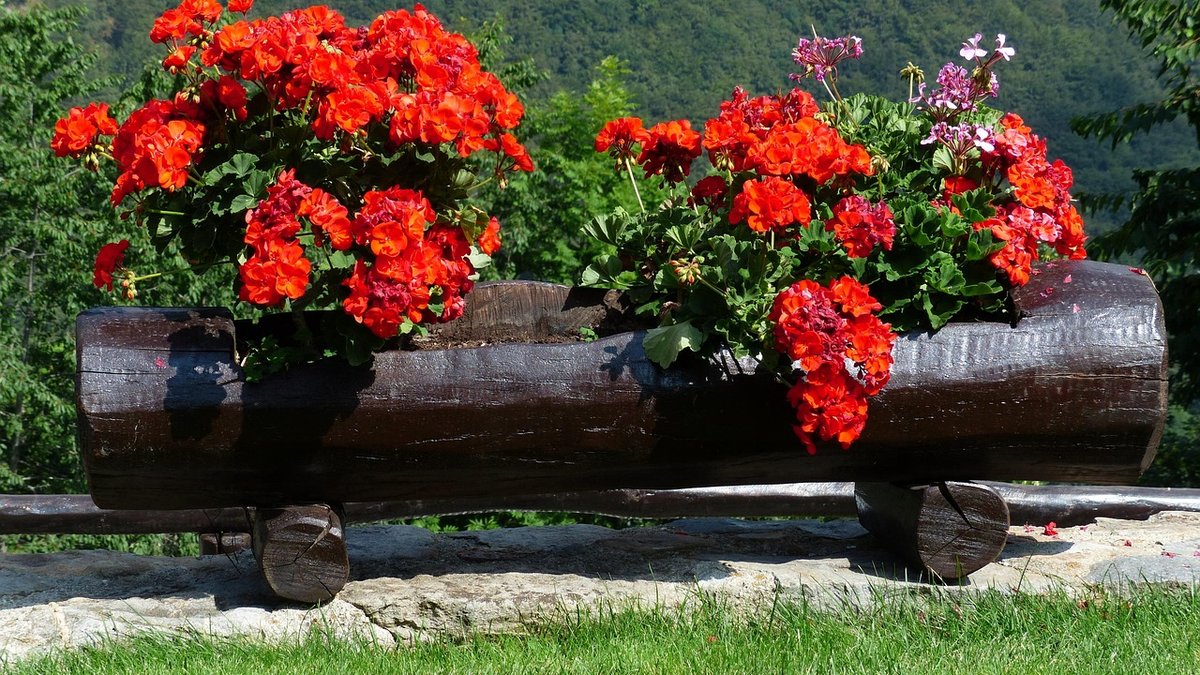
The Cotswolds has a particular talent for making a short break feel longer than it is. Honey-coloured limestone, dry-stone walls threading between fields, and villages where the loudest sound is often a blackbird on a wall — this is landscape that rewards a slow pace rather than a tick-list. For anyone who gardens, or simply loves gardens, it is close to ideal: the soil is thin and alkaline over oolitic limestone, which shapes what grows here, and the tradition of small, intensely cared-for private gardens is stronger than almost anywhere else in Britain.
Base yourself in a village rather than a town. Somewhere like Stanton, Guiting Power, Ebrington or Lower Slaughter gives you lanes to wander at dusk, a pub within walking distance, and easy access to gardens that never appear in the guidebooks. A three-night stay is enough to settle in; four is better.
Understanding the ground under your feet makes every garden you visit more interesting. Cotswold soil is shallow, free-draining and lime-rich, sitting over brashy limestone. That means acid-lovers such as rhododendrons and blueberries will sulk, while a whole tribe of plants thrives.
If you garden on clay at home, expect a quiet lesson in restraint. Cotswold planting is often about letting plants seed and roam rather than staking and primping.
The real pleasure of this area is the private garden opened for a few afternoons a year, usually under a village or charity scheme, with an honesty box by the gate and the owner weeding quietly in the background. These are gardens of perhaps a quarter to half an acre, and they tend to share certain qualities worth looking out for.
Expect rooms made by hedging — yew, box or beech — rather than one open view. Expect a rill or a small pool, often fed by a spring, used to catch light and sound. Expect stone steps and level changes, because villages are built on slopes. And expect furniture that looks lived in: a bench positioned for the last of the evening sun, a table under an apple tree.
Half the pleasure of this kind of break is the walking between gardens. Plan a loop of four to six miles, allowing time to stop. Village lanes here are narrow, often sunken between walls, and best walked early or after four o'clock when the light turns the stone the colour of clotted cream.
For tea, look for a village hall or church running a weekend tearoom — usually sponge cake, scones and a proper pot. Garden-centre cafés are reliable and often have excellent plant areas attached. Pubs in places like Guiting Power or Ebrington serve straightforward lunches and let you sit outside with a view of a church tower. Carry a flask and a couple of folding cups as backup: the best bench in the parish is often beside a lychgate with no café for a mile.
Day one: arrive, park the car and walk the village. Note which gardens are open this week. Eat locally, sleep early.
Day two: a morning garden visit while the dew is still on the grass, a long lunch, then two or three small private gardens in the afternoon. Finish with a slow loop of the lanes before dinner.
Day three: drive a short distance to a larger garden with a walled kitchen garden or arboretum, then a tea stop on the way back. Leave something unvisited — it gives you a reason to return.
Above all, resist the urge to fill every hour. The Cotswolds rewards the visitor who sits on a warm wall for twenty minutes doing nothing at all — which, for a gardener, is often the most restorative part of the trip.

Hi, my name is Anthony kuber. I am artist and fashion designer.
I love to travel and writing blogging.
Your email address will not be published. Required fields are marked *
Software Developer & Writer
Hey, I'm Diva, a developer and writer blending code and creativity. I'm driven by a deep curiosity and a relentless pursuit of excellence. Join me as I craft digital solutions and captivating stories.


