
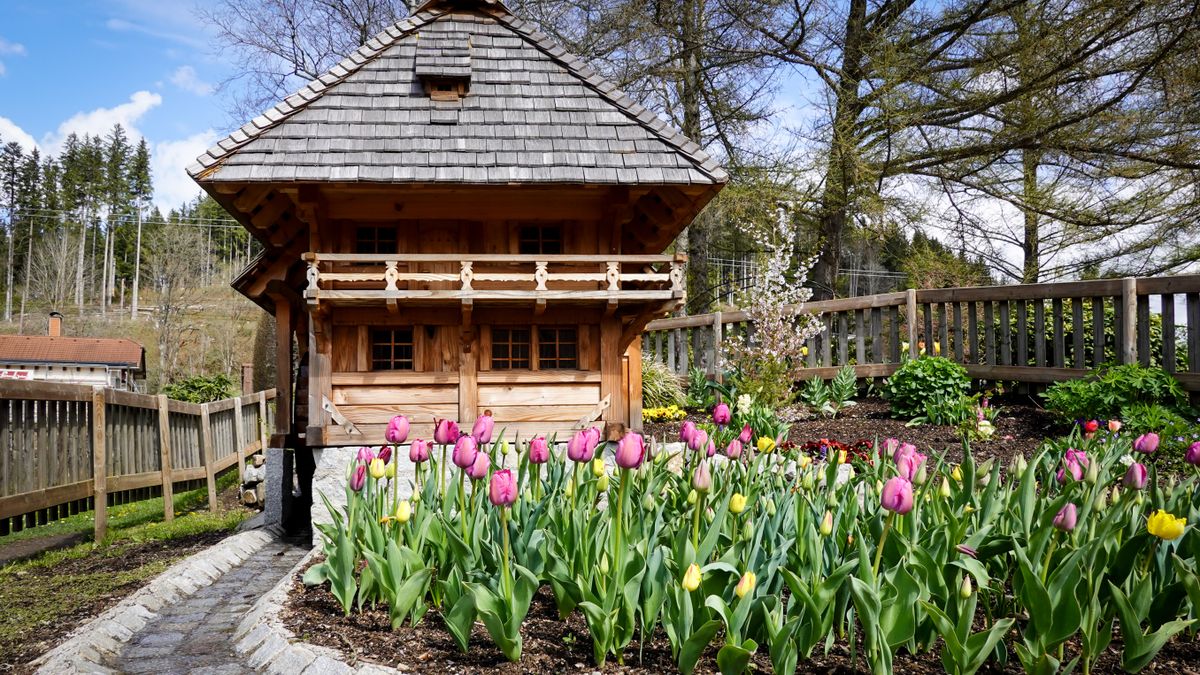
A balcony of two or three square metres is not a compromise. Handled with a bit of thought, it becomes the most-used room in the flat between April and October — and a perfectly good spot for a mug of tea in February, if you've planned for it. The trick is to stop thinking about floor space and start thinking about walls, height and scent.
Balconies are their own microclimate, and no two behave the same way. Before you spend a penny, watch yours for a week. A south- or west-facing balcony will bake by mid-afternoon and dry out alarmingly fast, while a north-facing one stays cool and shaded — better suited to ferns, hostas and leafy salads than to lavender.
Then think about wind. A balcony two floors up can funnel a breeze into something that snaps stems and shreds foliage. Watch where the gusts hit and put your tallest plants in the sheltered corner. If the whole space is exposed, a trellis panel fixed to the wall or a roll of bamboo screening tied to the railing will knock back the worst of it — and give climbers something to hold on to.
Finally, note what's above your head. A balcony tucked under another one rarely catches rain, so plants at the outer edge depend entirely on your watering can. Self-watering troughs with a built-in reservoir will carry you through a busy week far more comfortably.
On a balcony, the wall is your allotment. A single metre of vertical space holds more greenery than the floor ever could, and keeps pots out from under your feet.
Whatever you hang, use a peat-free compost mixed with water-retaining granules and top each pot with a centimetre of gravel. It slows evaporation, keeps the surface tidy and stops compost splashing onto the balcony below in a downpour. Lavender, rosemary, thyme, salvias and hebes all cope well with the sharp drainage and exposure.
The biggest mistake on a small balcony is buying furniture that claims a permanent square metre of it. Choose pieces that fold flat against the wall or nest on top of each other.
Keep the floor as clear as you reasonably can. An outdoor rug in a weatherproof fibre is worth the money too — it makes the space feel like a room rather than a ledge.
Scent is what turns a balcony from a display into somewhere you want to linger, and herbs do it better than almost anything else. Group them beside your seat so that brushing past releases their oils.
Thyme, rosemary, oregano and sage all relish the full sun and sharp drainage a balcony provides — they hate being fussed over, and prefer gritty compost with a handful of horticultural grit stirred through. Keep mint in its own pot, always, or it will colonise everything else. Basil is a summer visitor only; treat it as an annual and pick it hard.
A few sprigs of thyme or mint in hot water make a decent morning drink, and there's something quietly civilising about stepping out in dressing gown and slippers to snip breakfast from a pot you grew yourself. For evening scent, add night-scented stock or a jasmine against the wall.
The difference between a balcony you use and one you admire from indoors is usually comfort. Warm-white solar fairy lights wound through a trellis cost very little and buy you another two hours of usable evening. A lantern with a real candle adds warmth without glare.
Keep a lidded box outside with a folded blanket, so a cool morning doesn't send you straight back in. A tray that lives on the shelf with two mugs, a small cafetière and a jar of coffee makes the whole ritual effortless — you're not ferrying everything out and back each time. If you have a socket or a solar panel, a small water feature adds sound and masks traffic. Even a shallow bowl of water will do, and the birds will find it.
Small spaces need little and often rather than grand gestures. A rough rhythm to work to:
Do that much and your balcony will look after itself for most of the year. The rest is simply sitting in it — coffee in hand, feet on the railing, watching the street go by from a small green place that is entirely yours.

Hi, my name is Anthony kuber. I am artist and fashion designer.
I love to travel and writing blogging.
Your email address will not be published. Required fields are marked *
Software Developer & Writer
Hey, I'm Diva, a developer and writer blending code and creativity. I'm driven by a deep curiosity and a relentless pursuit of excellence. Join me as I craft digital solutions and captivating stories.


